
Herbes de Provence
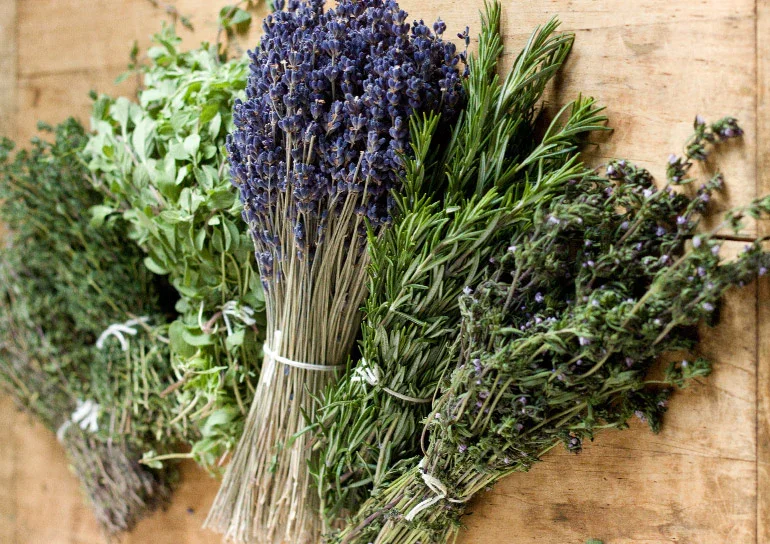
A fragrant journey through one of France's most beloved herb blends — how to make it, how to use it, and why every kitchen needs more.
What Are Herbes de Provence?
Close your eyes and picture the south of France: sun-bleached stone farmhouses, wild hillside buzzing with bees, and the heady perfume of lavender, thyme and so much more stretching to the horizon. That smell — resinous, floral, warmly savory — is essentially herbes de Provence in the air.
This classic French blend originated in Provence, where cooks have gathered wild herbs for centuries to season everything from roasted meats to olive-oil flatbreads. It is not a rigid formula with a single authoritative recipe. It is, at its heart, a philosophy: use what grows abundantly around you — fresh from the garden in season, dried for the months in between — let the herbs do the work.
"Herbes de Provence is less a recipe and more a sense of place — the taste of sunshine held in your hands."
At Gateway Farm, we grow many of the classic component herbs right here in our fields and raised beds. In summer, we reach for fresh bunches. The rest of the year, we dry what we have grown and keep jars close at hand. Both versions are wonderful — and knowing how to use each is the real secret.
Core Herbs
While there is no protected recipe, these are the herbs you will almost always find in a Provençal blend — and some that you might even grow yourself.
THYME - Earthy backbone
ROSEMARY - Piney, bold
LAVENDER - Floral lift
SAVORY - Peppery warmth
MARJORAM - Sweet, gentle
OREGANO - Robust, bright
BASIL - Sweet, aromatic
FENNEL SEED - Anise whisper
LOVAGE - Celery, bright, savory depth
TARRAGON - Anise, silky warmth
PARSLEY - Fresh, bright, clean
Thyme is typically the dominant herb — the steady, earthy foundation everything else rests on, and one of the few that is equally at home fresh or dried. Rosemary brings that unmistakable piney resin; its woody stems hold up beautifully to long roasting whether fresh or dried. Lavender, used sparingly, adds a floral elegance that distinguishes herbes de Provence from Italian blends — fresh flowers are especially lovely in summer. Savory — both summer and winter varieties — contributes a peppery warmth that keeps the blend from going too soft or sweet. Lovage brings a deep celery-like savouriness, particularly welcome in soups, stews, and anything with potatoes or legumes; use the fresh leaves generously as you would flat-leaf parsley. And tarragon — French tarragon especially — adds a silky, anise-kissed warmth that plays beautifully with poultry and eggs, and truly shines when used fresh.
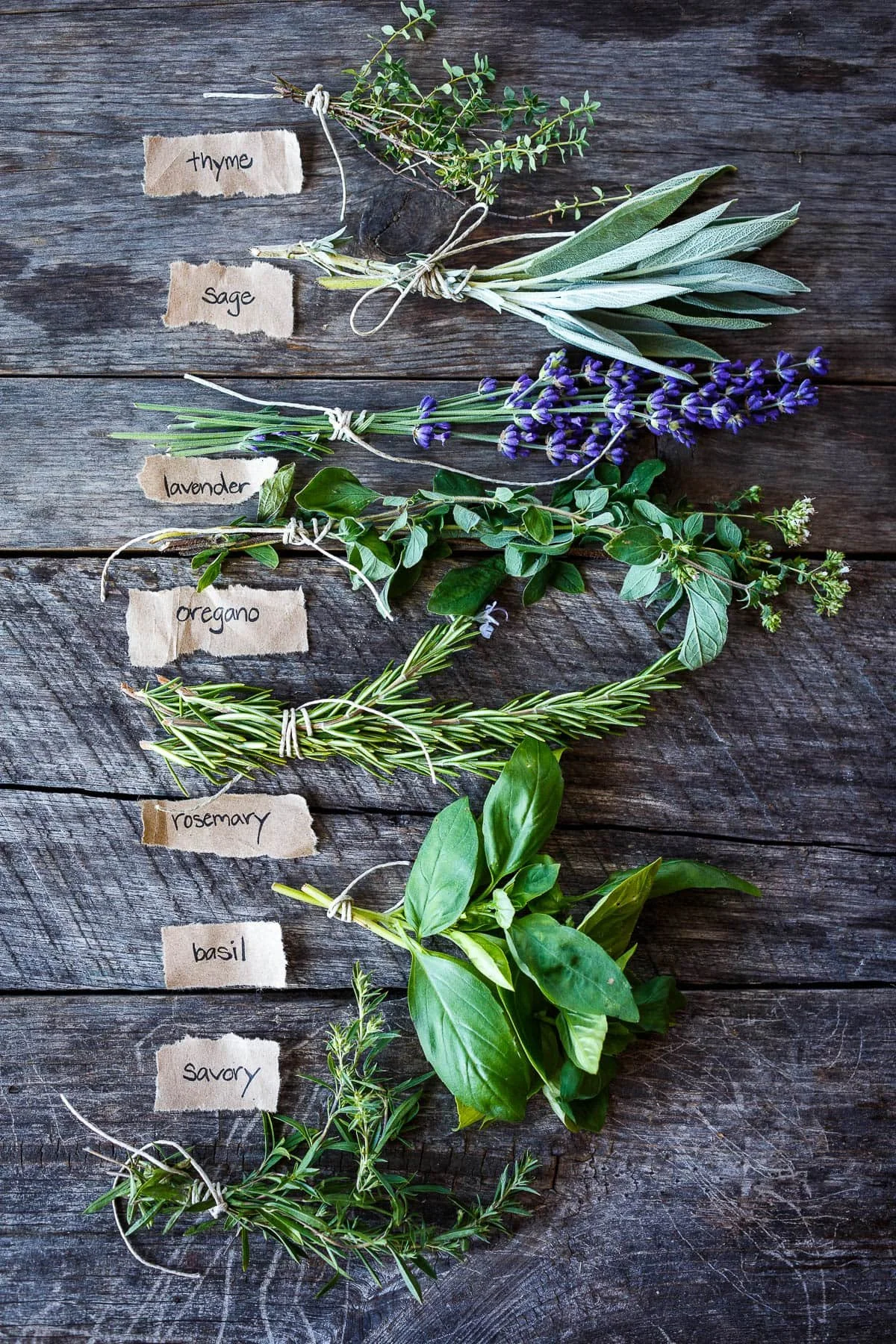
Growing & Selecting Your Herbs
Whether you grow your own or source from a good supplier, knowing a little about each herb helps you get the most from it. Here is a quick guide to the herbs in these blends.
THYME - A drought-tolerant Mediterranean perennial that thrives in well-drained soil and full sun — one of the most rewarding herbs to grow. Harvest sprigs most of the year, but the flavour is most intense just before flowering. Use fresh thyme liberally: strip the leaves by running your fingers backwards down the stem, and add early in cooking so the heat can coax out its oils. For drying, cut long stems and hang in a warm, airy spot; dried thyme is excellent and keeps its character well.
ROSEMARY - Once established - in warmer climates or in a greenhouse, rosemary needs almost no attention — give it minimal water, excellent drainage and full sun. Fresh rosemary is wonderfully bold; chop the needles finely before using so they soften during cooking rather than remaining wiry. Whole sprigs are perfect for tucking under roasting meats or into focaccia dough. For a fresh blend, use about a third as much as you would of softer herbs — rosemary can dominate. It dries beautifully too: cut long stems just before flowering and hang them up; dried needles crumble easily once the stems are fully dry.
SAVORY - Summer savory (annual) is milder and sweeter; winter savory (perennial) is more pungent and resinous — both are excellent fresh or dried. Sow summer savory direct in spring; winter savory forms a tidy little shrub worth keeping year-round. Fresh savory is lovely scattered over grilled fish or stirred through bean dishes in the last few minutes of cooking. It wilts quickly once cut, so harvest just before you need it. For drying, harvest before the flowers open fully for peak flavour.
OREGANO - It thrives in poor, dry, alkaline soil; over-rich compost produces lush but flavourless growth. Fresh oregano is robust enough to go into the pan early, where heat intensifies its flavour. Use it generously on flatbreads, in tomato sauces, and with roasted vegetables. It dries brilliantly: let it dry on the stem in small bunches and you will have a harvest that smells of summer for months.
MARJORAM is tender and best grown as an annual in cooler climates. It loves warmth and shelter. Fresh marjoram has a more delicate, floral character than dried — add it near the end of cooking to preserve its sweetness. It is wonderful stirred through warm lentils, scattered over grilled zucchini, or folded into soft scrambled eggs. Harvest when the little round buds are just forming; this is when the flavour is sweetest. Dried marjoram loses its character fairly quickly, so replace it annually and store it well away from light and heat.
LAVENDER - Always use culinary lavender — Lavandula angustifolia (English lavender) — rather than ornamental varieties, which can taste harsh or soapy. Hidcote and Vera are excellent culinary cultivars. Fresh lavender flowers are beautiful scattered over a summer salad, stirred into a vinaigrette, or rubbed onto lamb just before grilling. Harvest flower spikes just as the lowest buds begin to open — this is when fragrance is highest. Whether using fresh or dried, a light hand is essential: a little is magical, too much overwhelms everything around it.
BASIL is at its best used fresh — its perfume is vivid, almost intoxicating straight from the plant, and fades considerably with heat or drying. For a fresh blend, tear or chop it at the last moment and add it after cooking or just before serving. Grow in a warm, sheltered spot and pinch out flower heads regularly to keep plants bushy and productive all summer. If adding to a dried blend, dry quickly at low temperature to preserve at least some of its aromatic oils.
FENNEL is a tall, vigorous perennial — give it space and a sunny spot. Every part is useful: the feathery fronds are wonderful used fresh, scattered over fish, stirred into salads, or chopped into a fresh herb blend where they add a light anise lift. Harvest seed heads when they turn from yellow-green to grey-brown, before they shatter and self-seed. Hang upside-down over a paper bag to catch the seeds. Fresh fronds are best used the same day; fennel seeds can be stored whole for many months and ground just before use.
LOVAGE (Levisticum officinale) is a tall, vigorous perennial that grows happily in most kitchen gardens, asking for little more than moisture and a decent-sized spot. Its flavour is boldly celery-like with a savoury, slightly yeasty depth. Fresh lovage leaves are wonderful: chop them into soups and stews, add them to potato salads, or use a small amount in a fresh herb blend for real backbone. Use with a somewhat light hand — lovage is assertive and can take over if overdone. A single established plant will supply you generously all season.
TARRAGON - Always choose Mexican or French tarragon (Artemisia dracunculus var. sativa) over Russian tarragon — Russian looks similar but has almost no flavour. French tarragon cannot be grown from seed; buy a plant from a reputable herb nursery and propagate by division each spring. It prefers well-drained soil and a warm, sunny spot. Fresh tarragon is exceptional — silky, fragrant, and assertive without being harsh. Use it with eggs, chicken, fish, and cream sauces, or stir it into a fresh herb blend at the last moment. It does not dry especially well, so in season, use it abundantly and fresh; out of season, infuse it into white wine vinegar to carry its character through the colder months.
PARSLEY - Flat-leaf (Italian) parsley is the variety to grow for cooking — it has far more flavour than curly parsley, which is better left as a garnish or in a salad. Parsley is a biennial that grows easily from seed, though it can be slow to germinate; soaking the seeds overnight speeds things up. It thrives in rich, moist soil and does not mind a little shade. Use fresh parsley with a generous hand — it is one of the few herbs that can be added in quantity without overpowering. In a fresh herb blend it plays a crucial supporting role, brightening and balancing the more resinous or assertive herbs around it. The stems have as much flavour as the leaves and are excellent chopped into soups or stocks.
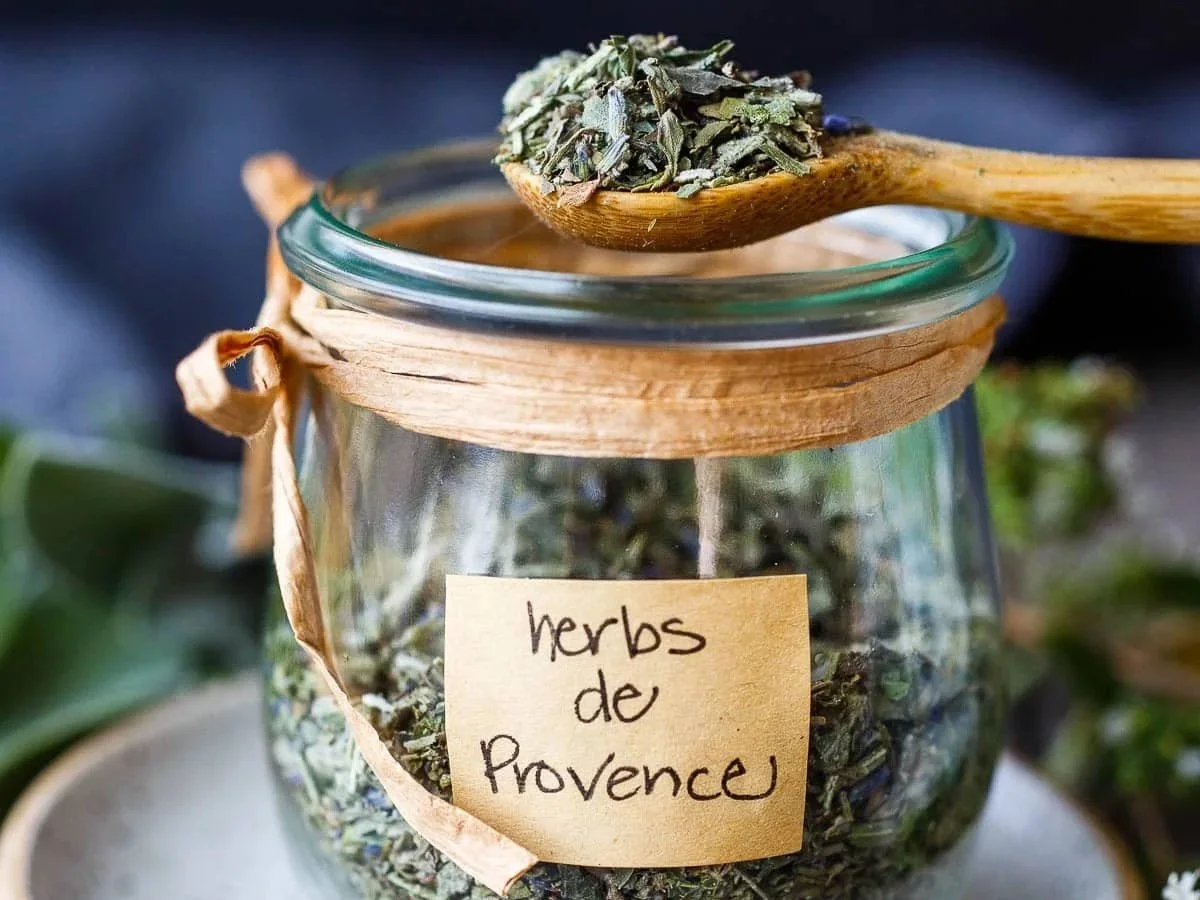
Blending Your Own Batch
Making your own herbes de Provence is quick and deeply rewarding. In summer, when the garden is full, a fresh herb blend mixed on the spot is one of the most aromatic things you can do in a kitchen. At other times of year, a well-made dried blend kept in a jar is nearly as satisfying. Both are worth knowing.
Below are a few blends: a classic version that stays close to tradition, and our Gateway Farm fresh herb blend — made with garden-cut herbs and designed to be used the same day or within a day or two. We also added a template for you to blend your own. If you love it, let us know what you come up with!
Classic Provençal
thyme 3 tbsp
savory 2 tbsp
rosemary 1 tbsp
marjoram 1 tbsp
oregano 1 tbsp
lavender 1 tsp
fennel seed 1 tsp
Gateway Farm Blend
thyme, leaves stripped 3 tbsp
rosemary, finely chopped 2 tbsp
lavender, stripped 1 tbsp
oregano, chopped 1 tbsp
basil, torn 1 tbsp
tarragon, chopped 2 tsp
lovage, finely chopped 1 tsp
spicebush twig, finely grated, ground or minced 1 tsp
Build Your Own Seasonal Blend
thyme, leaves stripped 3 tbsp
floral and/or piney herb 2 tbsp
sweet herb 2 tbsp
anise like herb 1 tbsp
bright herb 1 tbsp
just for fun herb 1 tbsp
Using your fresh blend
For the fresh blend, simply chop everything together on a board, mixing as you go — the bruising releases the oils and the whole thing becomes wonderfully fragrant. Stir through olive oil immediately for a rub or marinade, or scatter straight onto whatever you are cooking. Fresh blends are best used the same day. If you have leftover blend, stir it into olive oil and refrigerate for up to two days — it only gets better overnight.
Making and storing the dried blend
Combine all dried herbs in a small bowl and stir well. If using whole rosemary needles, crumble them between your fingers first. Taste a pinch and adjust to your liking. Store in an airtight glass jar away from direct sunlight — it will keep well for up to a year, though it is at its fragrant peak in the first six months. Label with the date and you will always know when to refresh it.
FRESH VS. DRIED: A QUICK GUIDE - As a rule, use three times as much fresh herb as dried — the moisture in fresh leaves dilutes the volatile oils. Fresh blends are best added at the end of cooking or used as a marinade; dried blends can go in early and hold up to long roasting. Both are wonderful; the right choice is simply whichever your garden is offering today.
DRYING YOUR OWN HERBS - Harvest herb stems on a dry morning, before the day heats up. Bundle loosely and hang upside down in a warm, airy spot out of direct sun. Most herbs will be fully dry within one to two weeks. Crumble leaves from stems before blending. See our blog - What to do with Herbs - to learn more.
SPICEBUSH (Lindera benzoin) is a native North American shrub whose young twigs are the part we reach for in a fresh herb blend. Snap or snap-trim a small twig and you will immediately smell something extraordinary — part allspice, part cinnamon, part bay, with a wild, resinous warmth that is entirely its own. To use, scrape or finely grate the bark from a fresh young twig, or mince the twig itself very finely; the inner wood carries the most fragrance. Add it to your herb blend sparingly — a little twig goes a long way. When harvesting winter is the best time. When foraging spicebush, make sure you have a confident identification first; it is a beautiful and underused native plant with deep roots in both Indigenous and Appalachian cooking traditions.
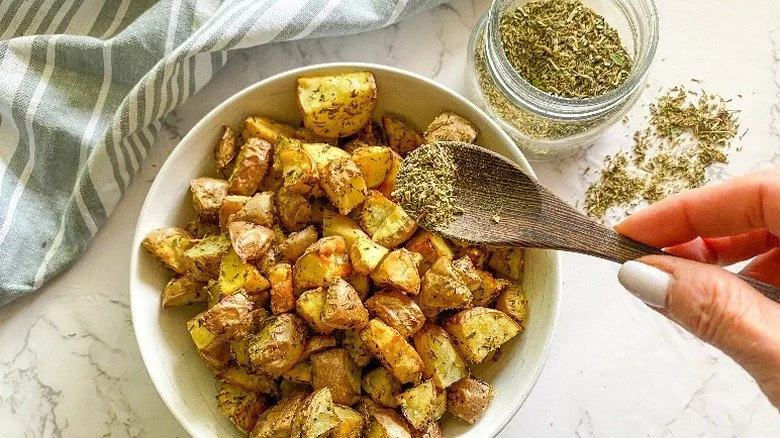
Ways to Use Herbes de Provence
Once you have a jar on the shelf, you will reach for it constantly. It is one of those blends that makes nearly everything taste more considered without any extra effort.
Roast Chicken - Rub under and over the skin with olive oil and a generous handful of the blend.
Lamb & Pork - Press into chops or a leg of lamb with garlic and olive oil before roasting or grilling.
Roasted Veggies - Toss potatoes, courgettes, tomatoes, or fennel with the blend and good olive oil.
Beans & Lentils - Add to the pot when cooking white beans or lentils — transformative.
Focaccia & Bread - Press into dough or scatter on top with flaky salt before baking.
Herb Oil, Butter & Cheese - Steep in warm olive oil for a dipping oil, blend fresh herbs into butter, or press into fresh chèvre.
A Recipe to Get You Started
Fresh Herb Oil for Dipping, Drizzling & Marinating
Makes 1 cup · Prep 10 min · Infuse 1 hr
INGREDIENTS
1 cup good extra-virgin olive oil
4 sprigs fresh thyme
2 sprigs fresh rosemary
1 tbsp fresh tarragon leaves
1 tbsp fresh basil leaves
2 cloves garlic, lightly crushed
A pinch of chilli flakes (optional)
Flaky sea salt
METHOD
Warm the olive oil in a small saucepan over very low heat — do not let it simmer or smoke. Bruise the herb sprigs by pressing them firmly with the flat of a knife to release their oils.
Add all the herbs, garlic, and chilli flakes to the warm oil. Stir gently and heat for 5 minutes.
Remove from heat. Allow to cool to room temperature, then infuse for at least 1 hour before using — longer is better.
Strain through a fine sieve into a clean jar. The oil is now ready to use. Refrigerate and use within 5 days; fresh herb oils should not be kept at room temperature.
Use for dipping bread, drizzling over roasted vegetables, marinating chicken, or finishing grilled fish.
The Joy of Blending
There is something quietly radical about cooking with herbs you have grown or blended yourself — stepping outside to snip a handful of thyme, tarragon and basil moments before it goes into the pan, the smell rising from your hands as you chop. In a world of pre-packaged everything, that simple act is genuinely nourishing, not just for the food, but for the spirit.
At Gateway Farm, this is what we are always working toward: the pleasure of using what the land gives us, thoughtfully and deliciously. In the spring and summer, that means armfuls of fresh herbs and the kind of cooking that barely feels like cooking at all. The rest of the year, a good jar of dried herbs keeps the memory of the garden alive. Both are magic. Season generously, cook with curiosity, and eat well.
"A jar of good herbes de Provence is the closest thing a kitchen has to stored sunshine."
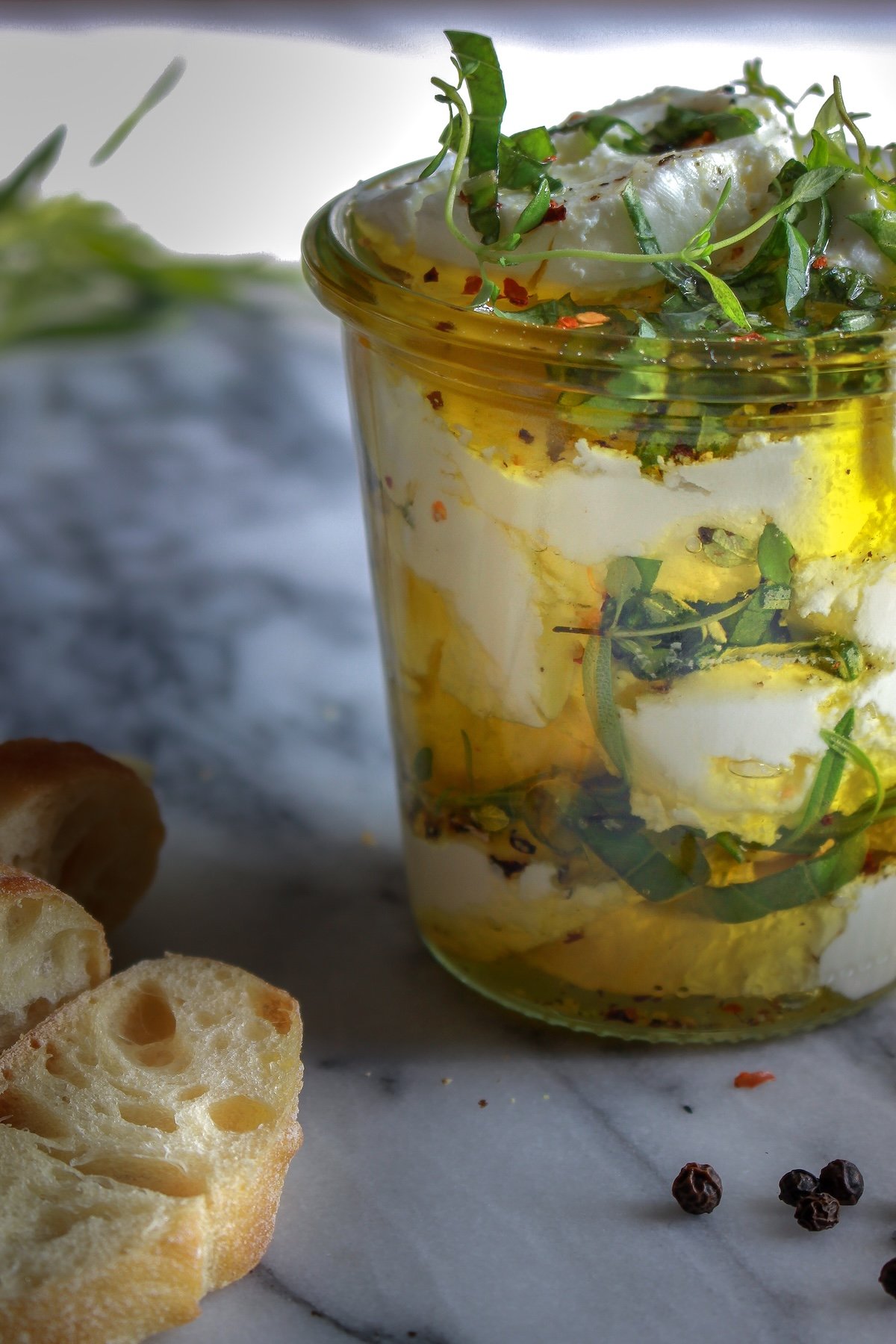
Herbes de Provence marinated goat cheese
