All About Root Vegetables
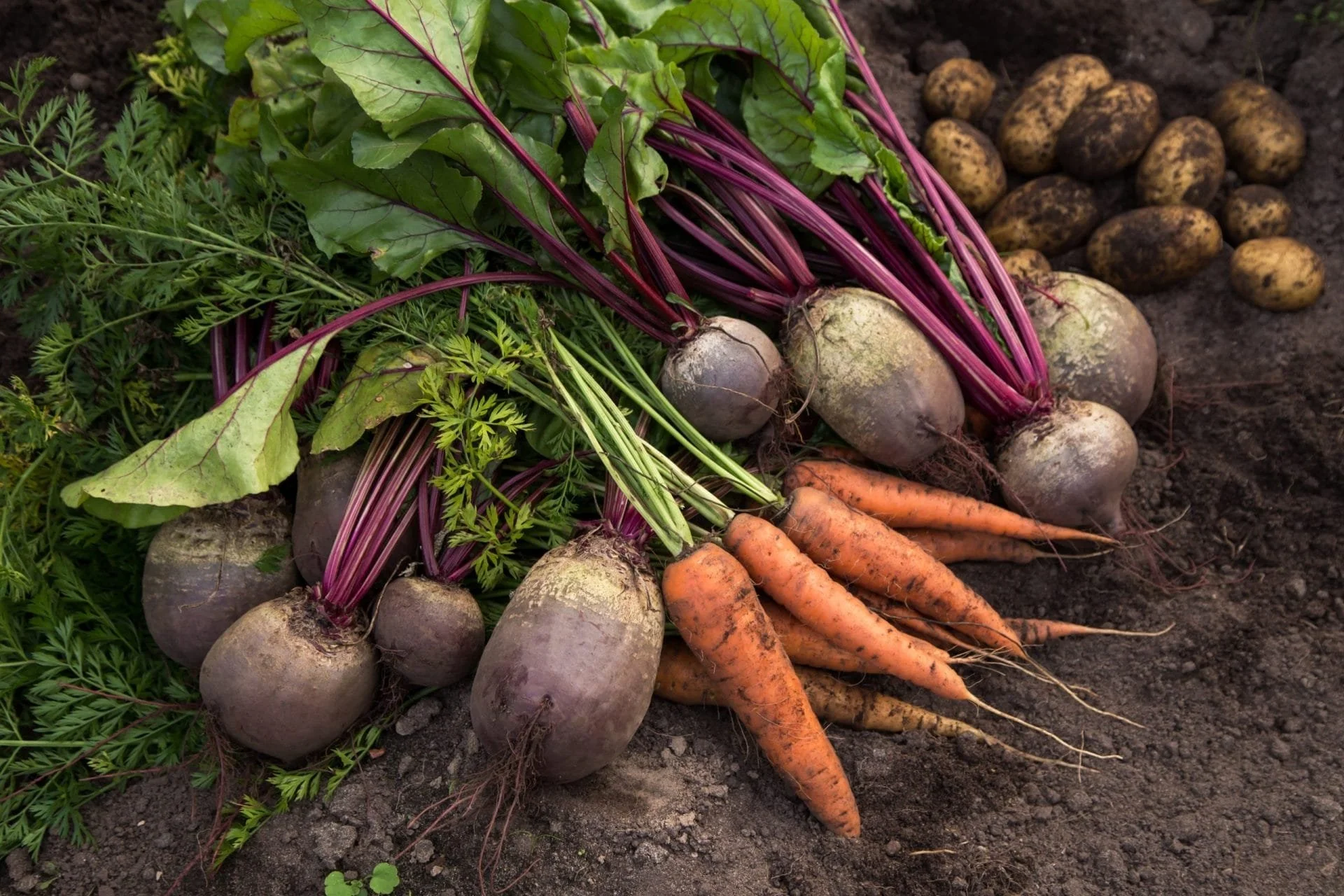
Root vegetables are hardy storage crops that offer a sense of grounding, fiber and dense nutritional value with a variety of ways to utilize them.
Root vegetables are some of the hardest-working crops grown. Tucked safely beneath the soil, they thrive through cool weather, store beautifully, and provide endless options in the kitchen. Nutritionally, they offer essential vitamins and minerals and are high in fiber and prebiotics which support your gut health and digestion. If you’ve ever bought carrots, beets, celeriac, parsnips, turnips, potatoes or received them in your CSA box and wondered, “Now what?”—this guide is for you.
Know Your Root Vegetables
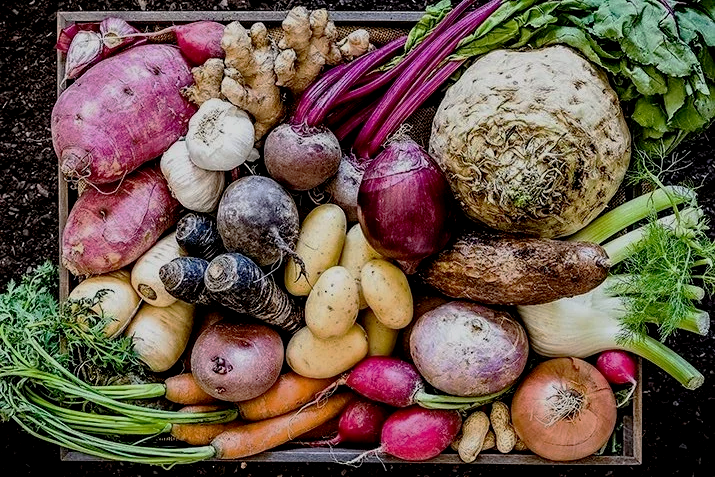
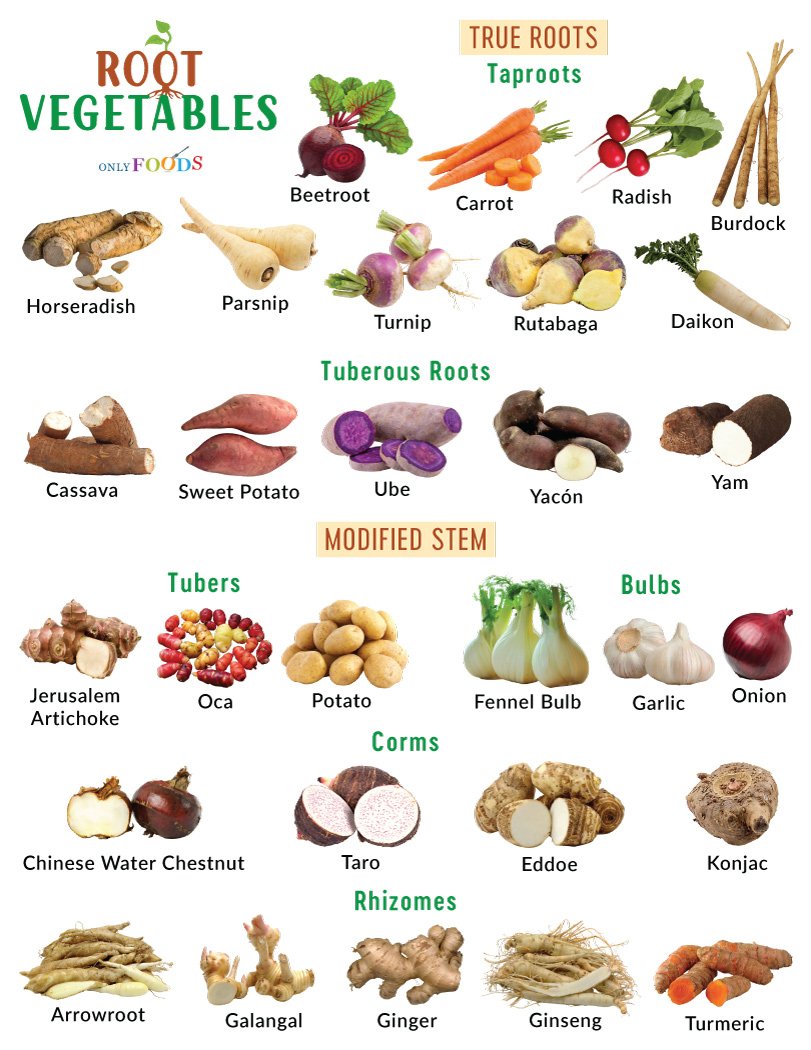
Root vegetables include any edible plant part that grows below the soil. Some store energy in true roots, while others are bulbs or tubers, but they all share similar uses.
Root vegerables include:
Carrots
Beets
Potatoes and sweet potatoes
Turnips and rutabagas
Radishes
Parsnips
Celeriac
Onions and garlic
Ginger and turmeric
These crops are nutrient-dense, filling, and naturally suited for simple, rustic cooking.
Clean and Store Them Properly
Before cooking, proper storage is key.
How to store root vegetables:
Brush off excess dirt (don’t wash until ready to use)
Remove leafy tops from carrots and beets
Store in a cool, dark place or refrigerator crisper
Keep potatoes separate from onions
Stored correctly, many root vegetables will last weeks— even months—making them a staple for seasonal eating. On average potaoes, onions garlic and winter squash are best stored 45-55F at 80% humididty. Carrots, parsnips, radish, rutabaga, celeriac, turnips and beets are best stored at 33-40F and 90% humidity.
Roast for Easy, Flavorful Meals
Roasting is one of the simplest and most reliable ways to use root vegetables.
How to roast root vegetables:
Preheat oven to 400–425°F
Chop vegetables into similar-sized pieces
Toss with olive oil, salt, and pepper plus seasoning or spices of choice
Roast until tender and caramelized, flipping once
Roasting brings out natural sweetness and works especially well for carrots, beets, potatoes, turnips, and parsnips. Tip* Our Gateway Farm Infused Fiesta Salt makes a perfect seasoning for roasted sweet potatoes.
Turn Them Into Comfort Food
Root vegetables are the foundation of hearty, comforting dishes.
Try them in:
Mashed potatoes, sweet potatoes, or parsnips
Creamy blended soups
Diced in stews and braises
Grated into vegetable hashes for breakfast or dinner
They add body, richness, and staying power to meals—perfect for cooler seasons.
Eat Them Raw and Fresh
Some root vegetables shine without heat.
How to use them raw:
Shred carrots or beets into salads
Slice radishes thin for crunch
Grate any root vegetable into slaws with dressing
Raw preparations highlight freshness and balance heavier cooked dishes.
Preserve the Harvest
When roots are abundant, preservation helps extend the season.
Easy preservation methods:
Quick Pickle carrots, beets, or radishes
Ferment turnips or radishes
Freeze blanched potatoes, beet, carrots or shredded roots
Store whole roots in sand or sawdust (traditional method)
Preserving root vegetables reduces waste and keeps farm flavors on the table year-round.
Bake With Them
Many root vegetables bring natural sweetness and moisture to baked goods.
Popular options include:
Carrot muffins or cake
Sweet potato pie or bread
Beet or beet potato brownies
Parsnip spice loaf
They’re a great way to use extra produce while adding nutrition to treats.
Use Every Part
At Gateway Farm, we believe in using what we grow thoughtfully.
Don’t toss:
Peels and ends → vegetable stock
Beet greens and carrot tops → sauté or pesto
Small or misshapen roots → soups, purées, or roasting
Root vegetables reward creativity and minimize waste.
No matter how you’re using your root crops, know that by consuming them you’re doing a whole lot of good for your overall health, digestion and spirit as they provide a sense of centering + grounding.
Be sure to check out the variety of recipes we have on preparing and cooking root vegetables!